





















Global Fundraising Campaign for Children’s Emergencies
Context and Rationale
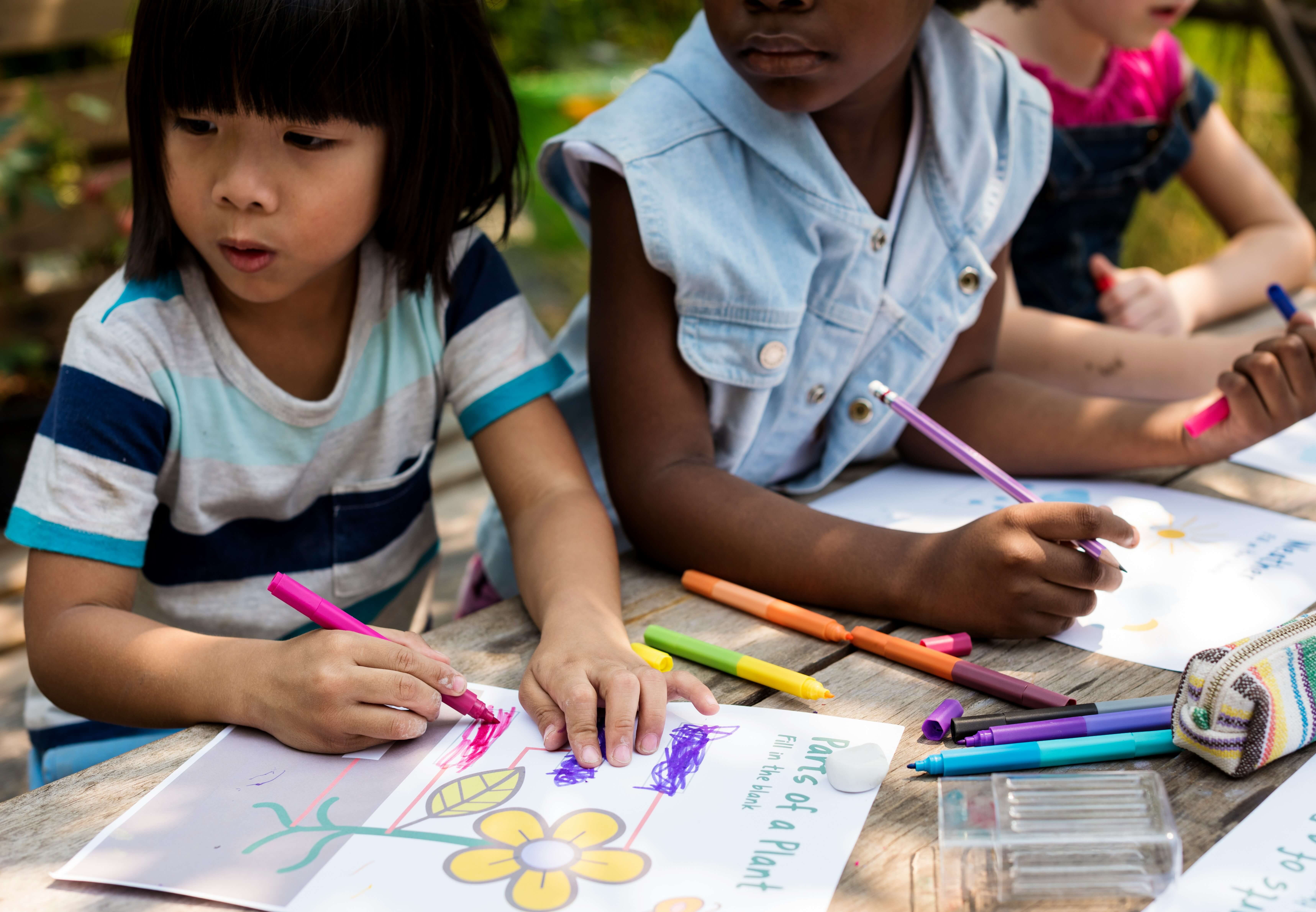
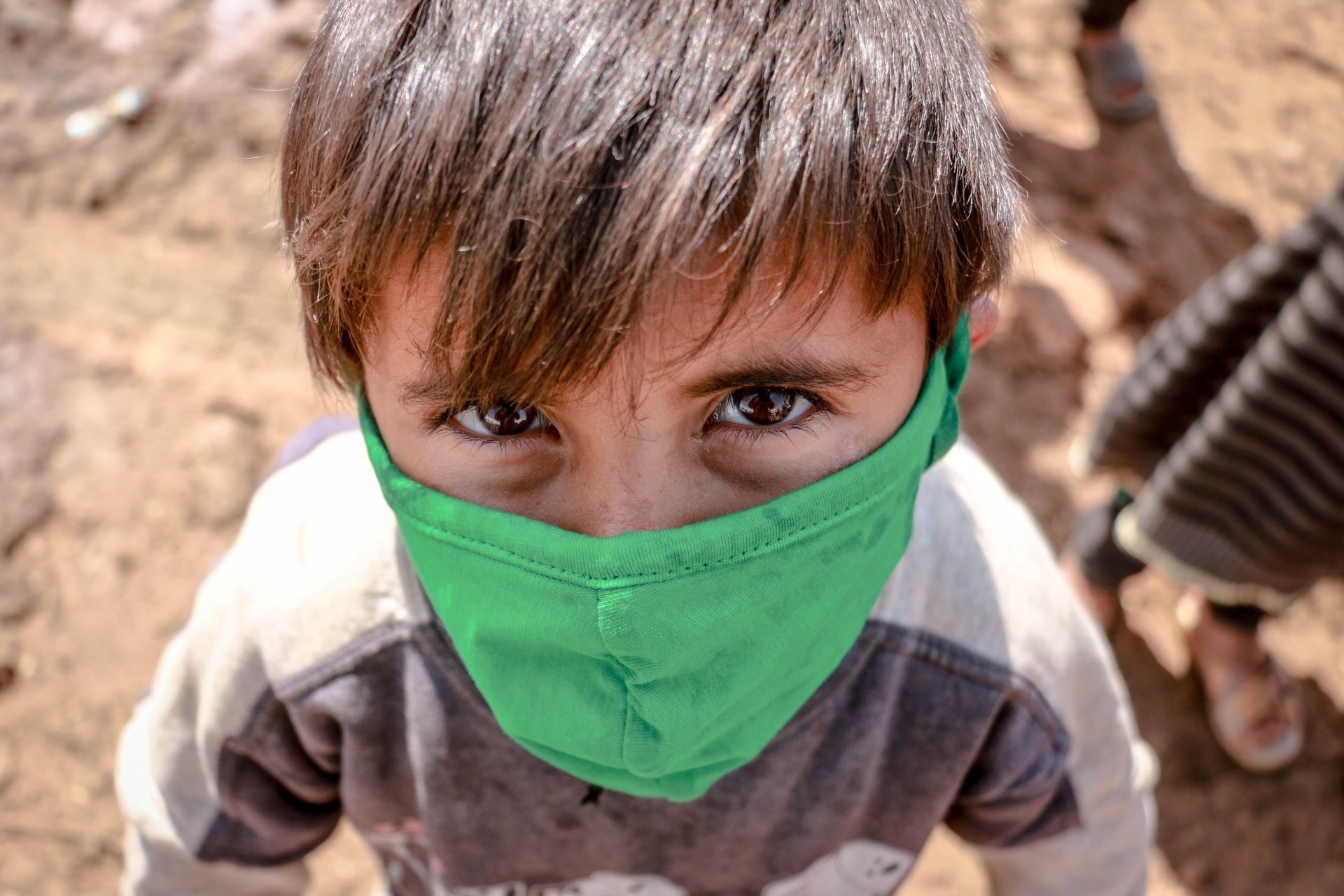
The contemporary world is characterised by an accumulation of systemic crises armed conflicts, pandemics, climate disruption, natural disasters, and economic instability of which children are the primary victims. Each year, tens of millions of children are affected by emergency situations, denied access to health, nutrition, education, and protection. Despite international commitments in favour of children’s rights, the scale and recurrence of crises reveal a structural inability on the part of the international community to guarantee a rapid, equitable, and sustainable response to children’s emergencies. Childhood thus emerges as the most visible breaking point of the imbalances within the global solidarity system. This situation results largely from the fragmentation and unpredictability of humanitarian financing. Current mechanisms rely predominantly on ad hoc funding appeals, dependent on media coverage, geopolitical priorities, and prevailing economic conditions. This financial instability compromises the continuity of essential programs for children, weakens national protection systems, and reduces prevention capacity in the face of future crises. The massive disparities in public expenditure between countries, combined with governance weaknesses and insufficient international coordination, further accentuate inequalities in access to care and protection, transforming avoidable emergencies into recurring tragedies.
In this context, the Global Fundraising Campaign for Children’s Emergencies responds to a major strategic imperative. It aims to transcend the reactive and fragmented logic of humanitarian aid in order to establish a structured, predictable, and enduring form of global solidarity, centred on the child as a universal public good. Carried by the moral and diplomatic leadership of the spouses of Heads of State and Government, the campaign embodies an ethical refounding of international governance. It transforms compassion into collective responsibility and financial mobilisation into a durable instrument of intergenerational justice — an indispensable condition for peace, stability, and human development at the global scale.