












Mobile Clinics Program
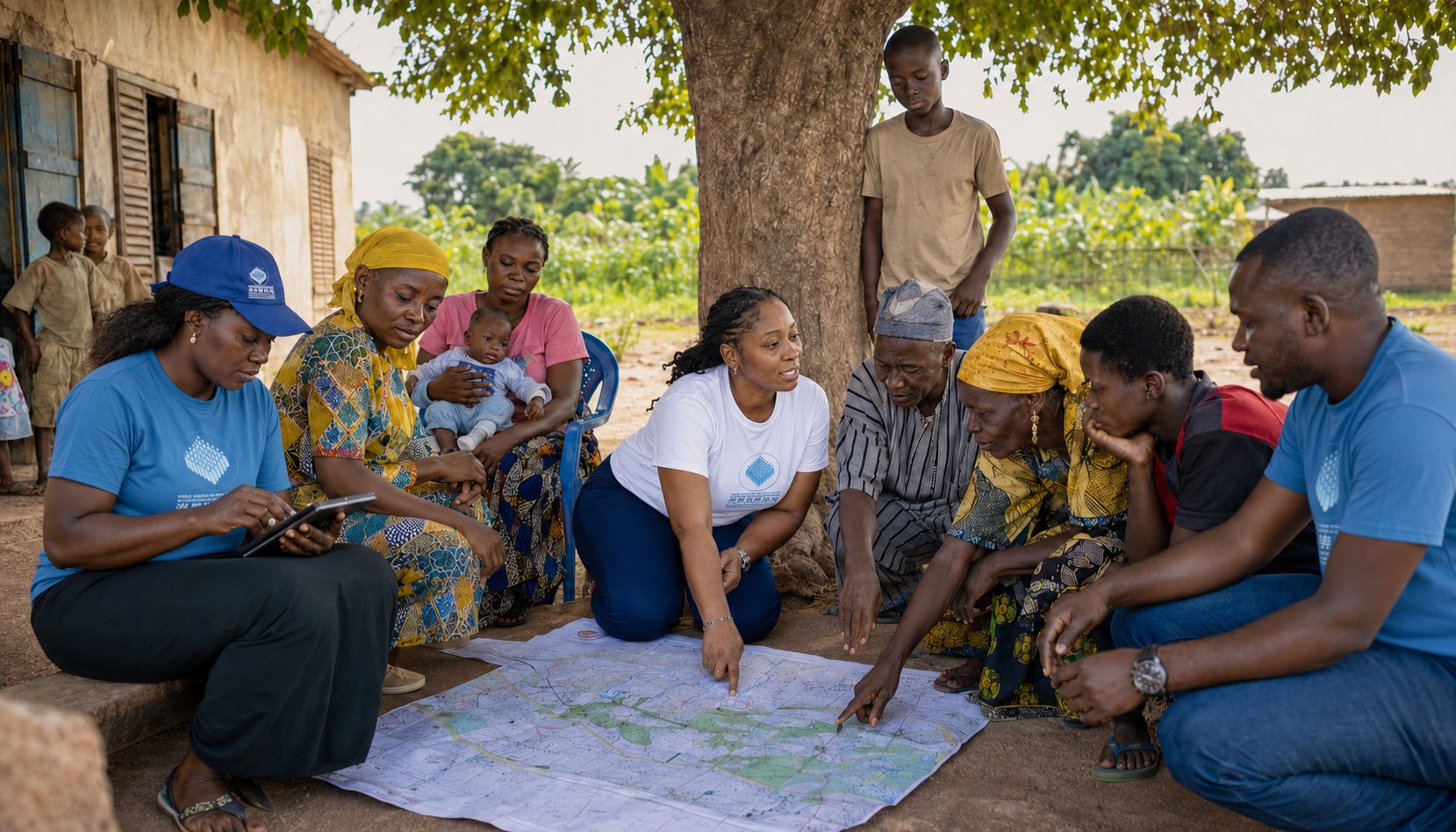
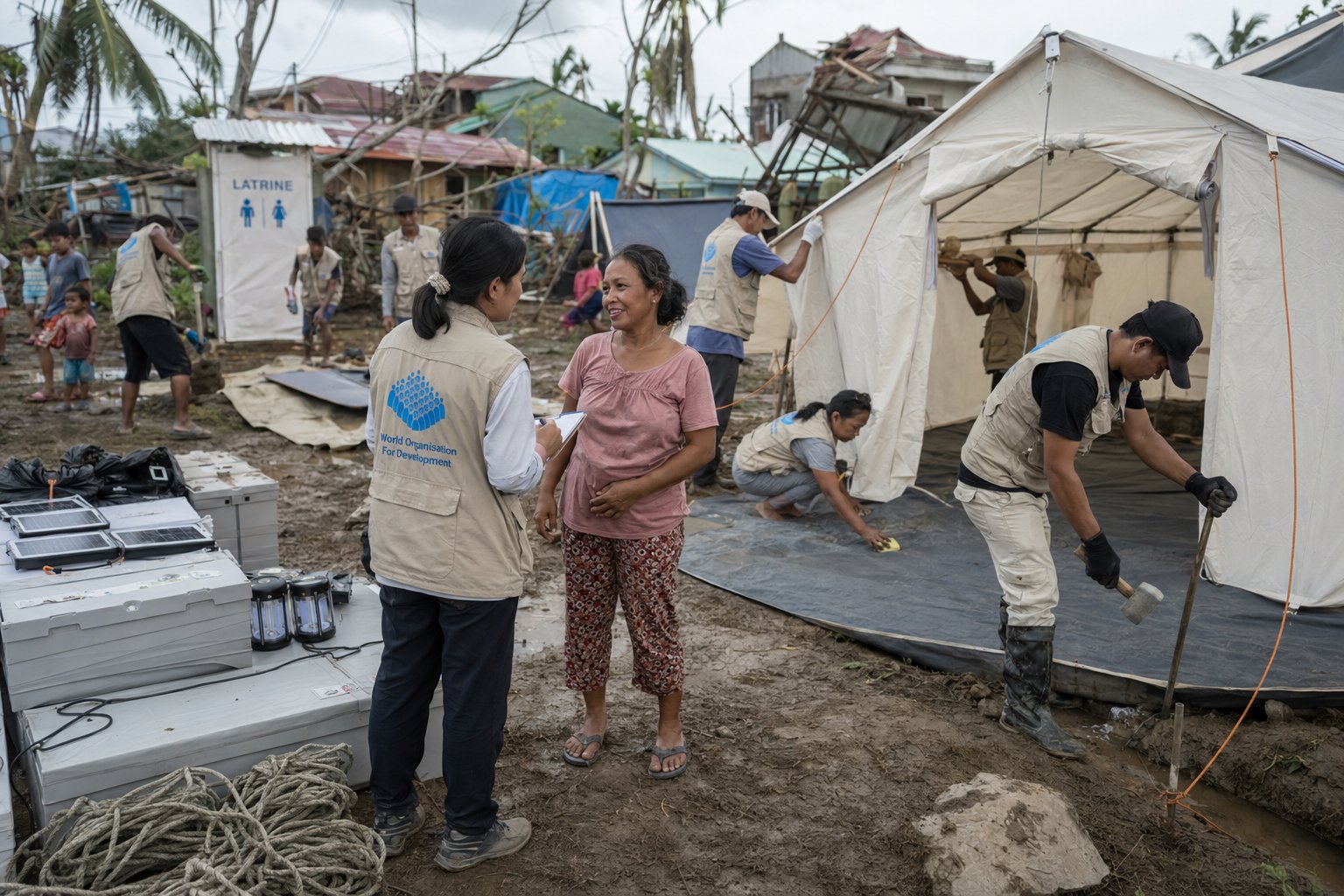
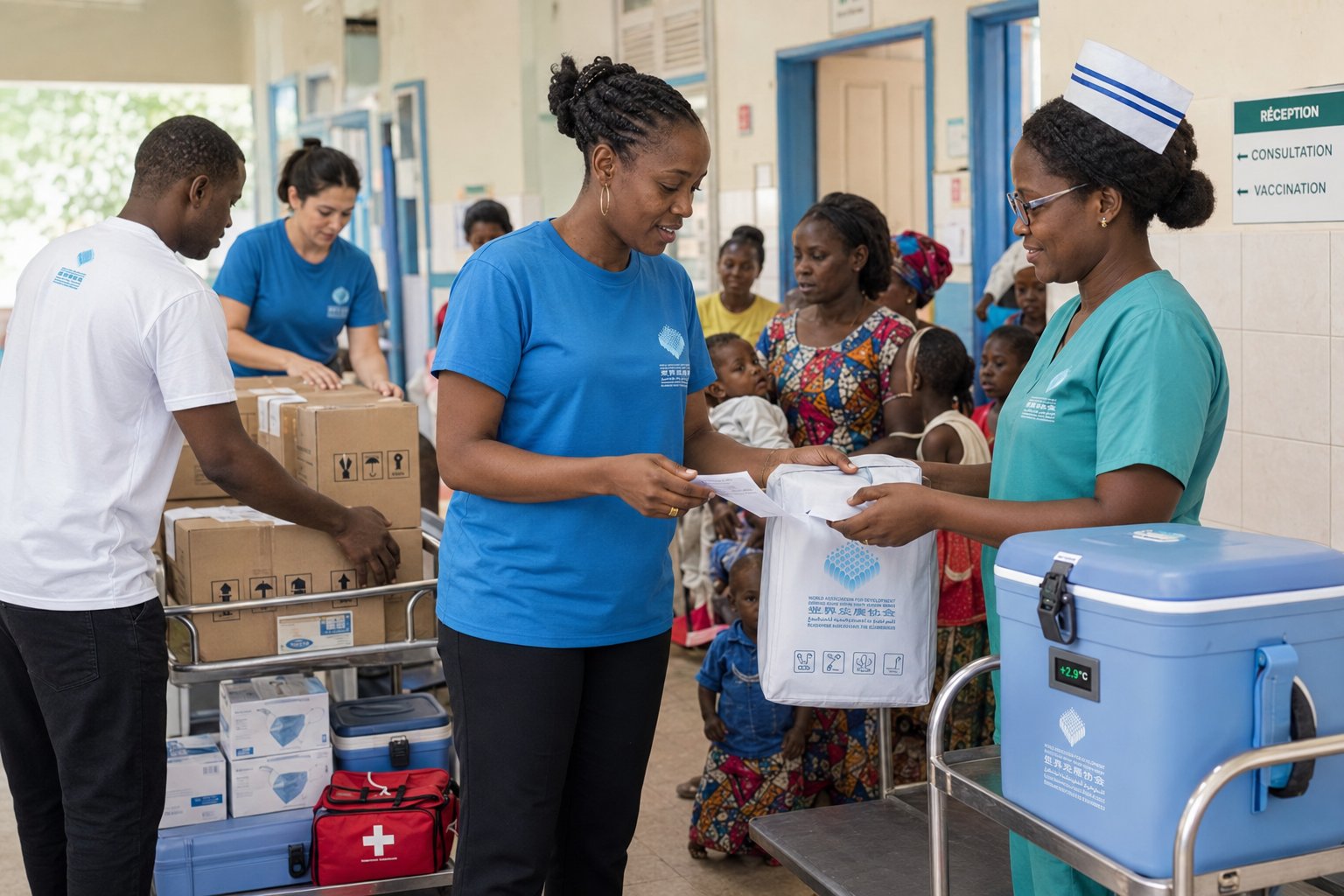
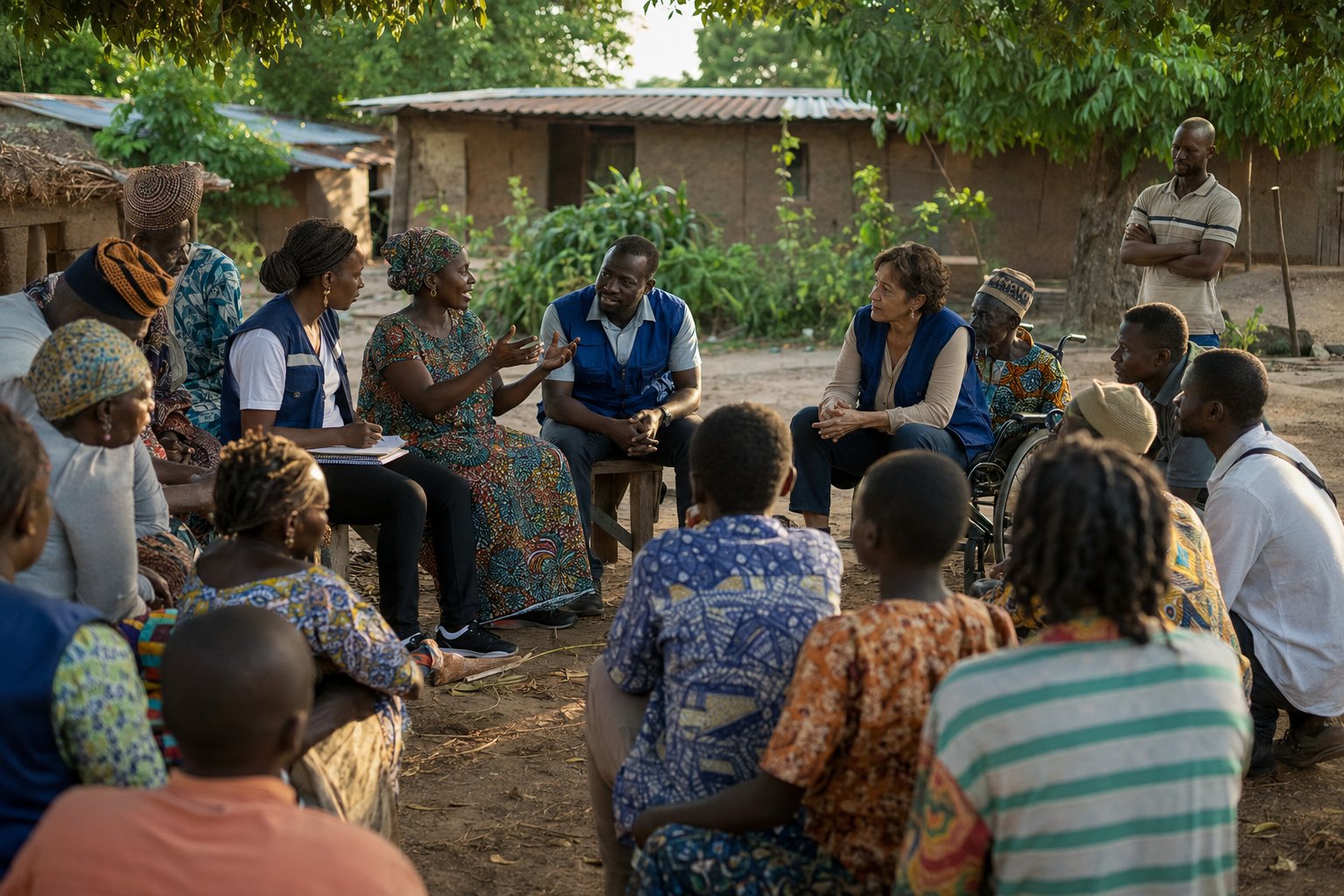
The Mobile Clinics Program is designed to bring essential healthcare closer to underserved communities, particularly in rural and peri-urban areas where access to medical services remains limited. Through mobile health units, the program helps reduce geographic and social barriers to care by providing basic consultations, preventive services, vaccination, maternal and child health follow-up, and health education directly within vulnerable communities.
Beyond responding to immediate health needs, the program supports a broader vision of stronger, more inclusive, and more resilient health systems. Working in coordination with local authorities, health professionals, and medical partners, mobile clinics complement existing health facilities and help improve continuity of care for populations that are often excluded from regular medical services.
Aligned with the Sustainable Development Goals, particularly the commitment to health and well-being for all, the Mobile Clinics Program offers a scalable and sustainable model for reducing health inequalities, improving public health indicators, and protecting the right to healthcare. It contributes to more equitable human development by strengthening community resilience and supporting public health policies in contexts where proximity, prevention, and early intervention are essential.