





















Second Chance for Young Mothers
Context and Rationale
In many regions of the world, early pregnancy constitutes one of the principal factors driving the lasting exclusion of girls from the education system and the labour market. Each year, millions of young girls interrupt their schooling following an unplanned pregnancy, exposing them to social marginalisation, persistent economic precarity, and heightened dependency.
This phenomenon, particularly pronounced in sub-Saharan Africa, South Asia, and Latin America, reveals a structural vulnerability that combines gender inequality, poverty, discriminatory social norms, and the weakness of protection and support mechanisms.
The consequences of this exclusion are profound and systemic. In educational terms, it manifests in high school dropout rates and a massive loss of human capital. In economic terms, it feeds unemployment, informality, and the intergenerational reproduction of poverty, with significant macroeconomic costs for States. In social and health terms, young single mothers are more exposed to violence, maternal health complications, and stigmatisation, while their children face heightened risks of poverty and exclusion. Despite international commitments in favour of inclusive education and gender equality, public responses remain frequently fragmented, and insufficiently adapted to the specific reality of young single mothers.
It is in this context that the project “Second Chance for Young Single Mothers” finds its full strategic relevance.
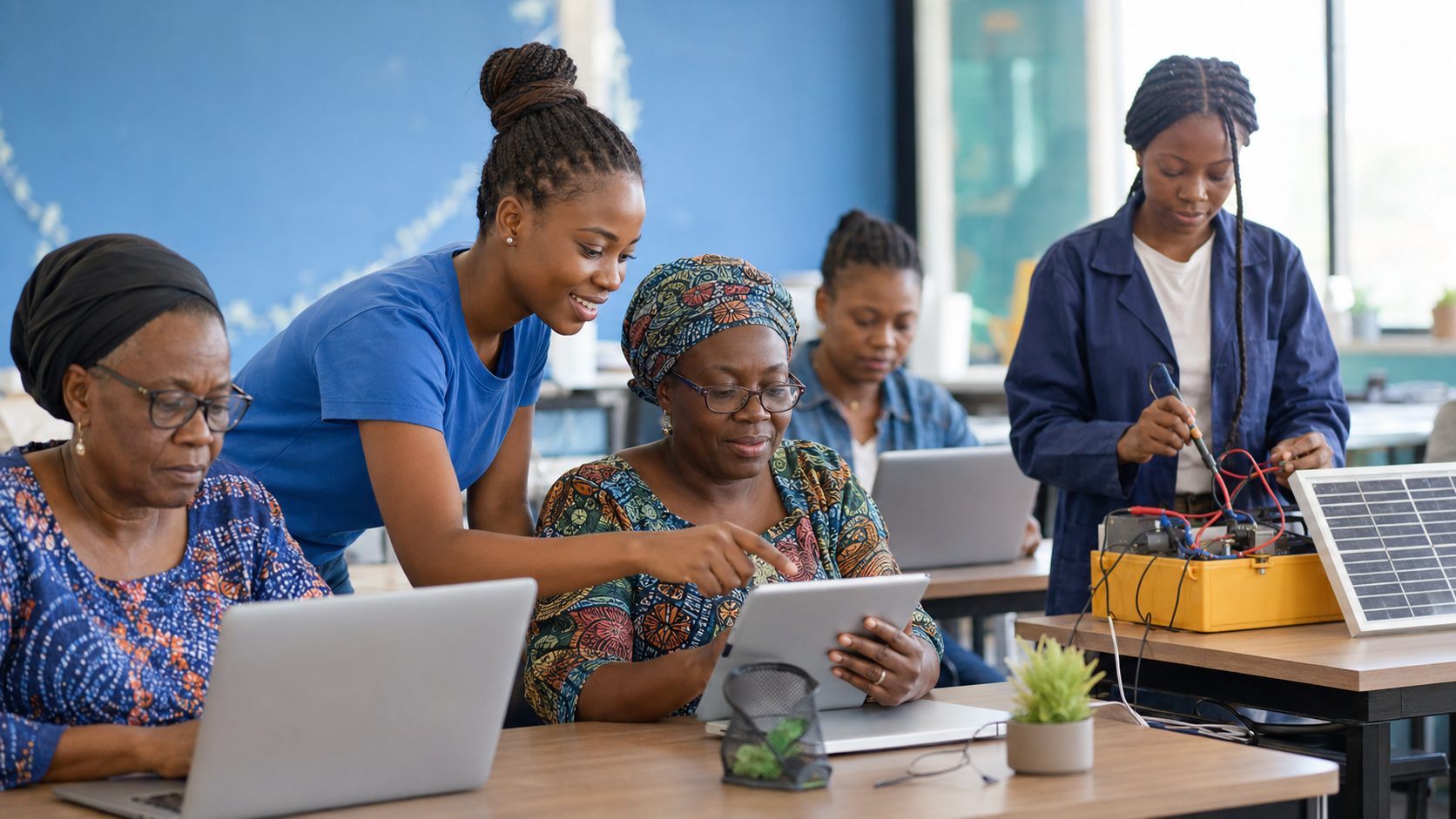
It responds to a structural deficit in educational and social policies by proposing an integrated, realistic, and inclusive approach centred on the educational and socio-economic reintegration of young mothers. By articulating education, vocational training, psychosocial support, and the combating of stigmatisation, the project aims to transform a situation of exclusion into a lever for empowerment and resilience. Aligned with the Sustainable Development Goals on education, gender equality, and decent work, it constitutes a credible and necessary response to break cycles of inequality and contribute to a more equitable and sustainable human development.