

























United Nations Resolution Project on Children’s Emergencies
Context and Rationale
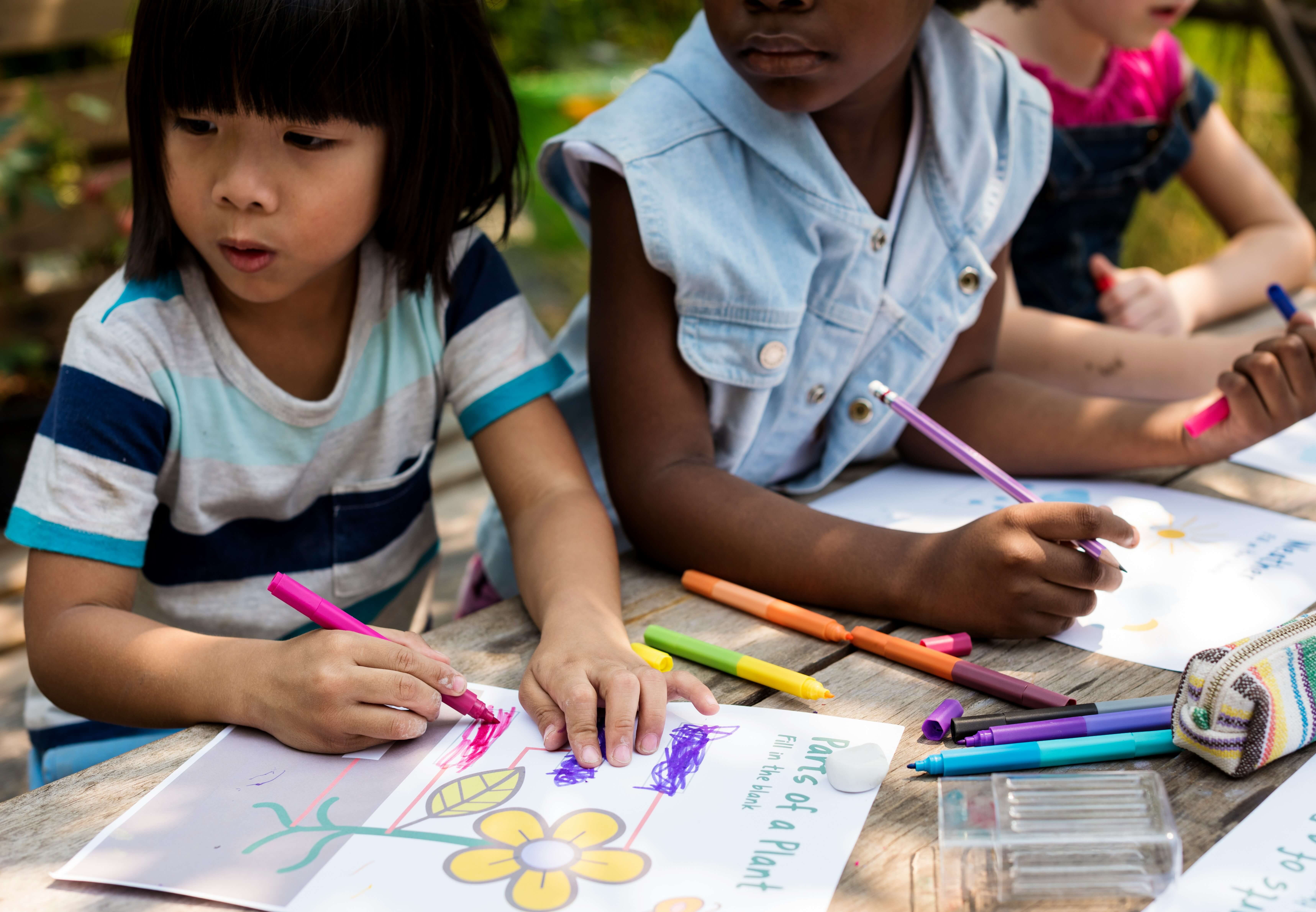
At the dawn of the twenty-first century, childhood remains the primary victim of global crises. Protracted armed conflicts, climate disasters, pandemics, economic instability, and forced displacement expose hundreds of millions of children to extreme risks. Today, more than 450 million children live in conflict-affected zones, tens of millions are displaced, and millions continue to die each year from preventable causes related to hunger, disease, lack of care, and insecurity. This reality reveals a major paradox: while children’s rights are universally recognised, they are not universally protected.
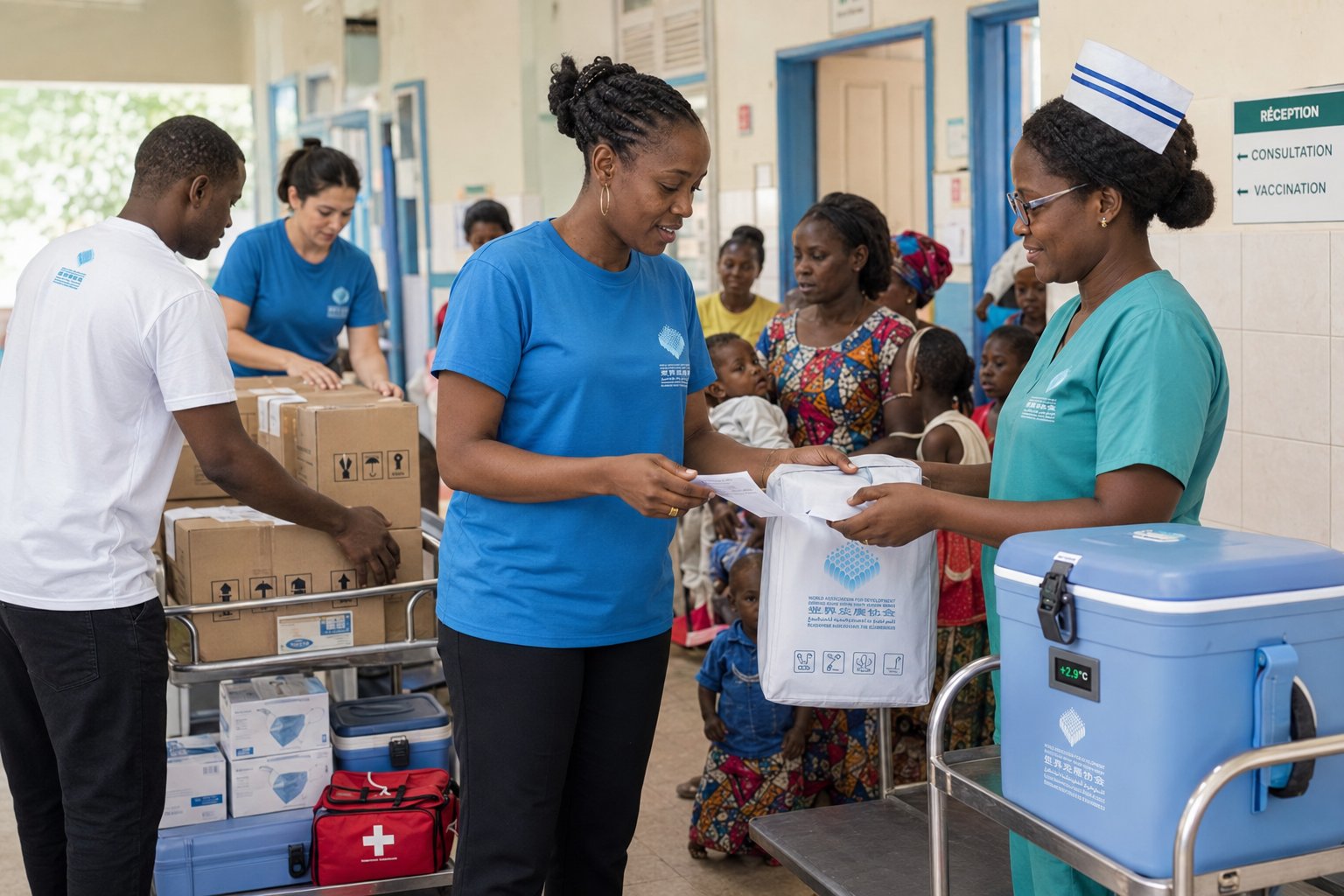
Existing international protection mechanisms are proving broadly inadequate in the face of the scale and complexity of contemporary crises. The humanitarian system still rests on fragmented, reactive responses, dependent on political will and voluntary financing. In the absence of a binding and permanent legal framework, children remain exposed to violence, displacement, school dropout, and the breakdown of essential services. This structural failure undermines the credibility of international humanitarian law and compromises the long-term stability of societies, since a destroyed childhood today feeds the future cycles of violence, poverty, and exclusion.
It is in this context that the United Nations Resolution Project on Children’s Emergencies finds its full strategic relevance. It responds to a major normative gap by proposing to make child protection a universal, priority, and enforceable obligation, under all circumstances. By placing the child at the heart of human security and multilateralism, the project aims to transform international solidarity into lasting collective responsibility. It affirms a central conviction: no lasting peace, no equitable development, and no global stability can be built without the effective, continuous, and universal protection of childhood.